

Conversation Fruit
by Nathan Duff M.Ed., LPC / LCMHC
Recent
Featured Posts



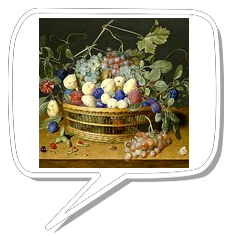
Why “conversation Fruit” for a blog title?
Counseling is a practice. This means it isn’t something you just do, it’s something you practice over time, and a skill you constantly attempt to grow and improve. As counseling is mostly conversational, it’s only natural to think of these conversations as a garden for both therapist and client to grow.
Partially because it’s good practice, and also because I’m very curious, I’ve had the most growth when I said, “I’ve never heard of that before” or “I don’t think this is working” and then found myself several books or articles to read before the next session. (In fact this is also the reason I’ve ended up watching so much anime or listening to a lot of music — so I can know what my teen clients relate to.)
While I enjoy researching unusual issues or new interventions, more recently it’s less that I learn new information, and more that I discover some new way to present something to make it more helpful to clients. I consider those new ways to present things, to be the fruit of these conversations. I hope to share a bit of that bounty here.

* Any client stories are either shared with permission or with identifying details obscured. If you happen to know a client of mine and think you recognize something as that person, trust me, you don’t. I can think of several kinds of events that people might think are so unusual that they must be unique, yet I’ve had 3 or more clients with that same basic story. For instance I’ve had 5 clients with DID, which is both rare as well as not something I specialize in to the point that I’d receive direct referrals.
Categories
Tags
"How not what" alliance baggage borderline personality BPD catchphrases closure communication confusion-as-injury control cPTSD dating DBT drama faith first session gestalt girls healing hero language love mental-health metaconversation monomyth neuroplasticity Parenting politics projection PTSD Relationships religion responsibility secularism self-deception sexual assault survivor teens therapeutic approach therapists therapy transparency Trauma Treatment values
 Integrity Counseling